Is Being a Landlord Worth It After $5,000 Repairs?
When One $5,000 Repair Makes You Question Being a Landlord
Most landlords don’t wake up one morning and decide they’re “done.”
It usually starts with a phone call.
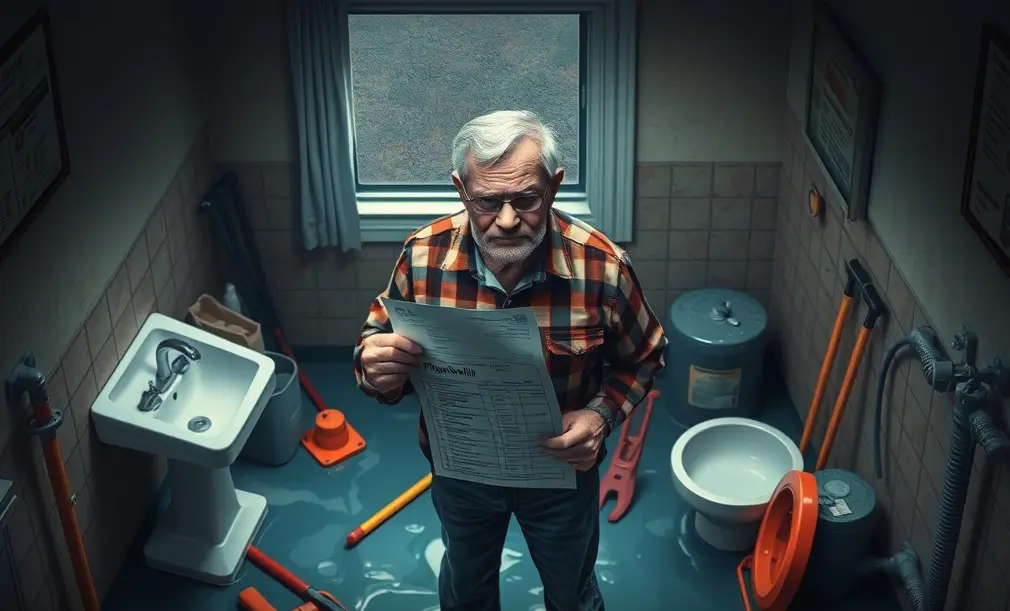
A flooded unit.
A clogged toilet that somehow turned into tens of thousands of dollars in damage.
An insurance deductible you didn’t plan on paying this year.
And suddenly, you’re not thinking about cash flow or appreciation anymore — you’re thinking:
Why am I still doing this?
The Reality No One Puts on the Spreadsheet
On paper, real estate investing looks clean and logical.
In real life, it looks like this:
A surprise $5,000 deductible that has to be paid now
Debates over whether to borrow from a HELOC, line of credit, or personal savings
Waiting on plumber reports to determine fault
Wondering if the tenant reported the issue late — or at all
Asking whether tenant insurance even exists
Knowing repairs must happen immediately, regardless of blame
And here’s the hard truth many landlords eventually accept:
Responsibility almost always lands on you first.
Even when:
The damage may have been caused by tenant negligence
The tenant continued using a broken toilet
Something clearly inappropriate was flushed
The tenant may (or may not) have insurance
You still pay first.
You still coordinate trades.
You still manage the stress.
The Emotional Tax of “Just One More Issue”
It’s rarely just about the money.
It’s about:
Being forced into emergency decisions
Having capital tied up “just in case”
Arguing with insurers, plumbers, tenants, and sometimes regulators
Watching insurance premiums rise after a claim — even when it wasn’t your fault
Knowing that delaying repairs only makes things worse legally and financially
At some point, landlords stop asking “Who’s at fault?”
And start asking:
Do I want to keep managing this at all?
The Silent Shift: From Investor to Full-Time Manager
Many landlords didn’t sign up to be:
Maintenance coordinators
Insurance claim managers
Arbitration participants
Educators on how toilets and shut-off valves work
Emergency fund providers
Yet that’s exactly what the role becomes over time.
Especially if:
The property is aging
The tenant turnover is higher
The margins are tighter
Your time feels more valuable than the return
Cashing Out Isn’t Failure — It’s a Strategy
For many landlords, the decision to sell isn’t emotional — it’s logical.
They realize:
Equity has quietly grown
Stress has quietly compounded
One more “small” incident could erase a year of returns
They’d rather redeploy capital than manage risk day-to-day
Cashing out can mean:
Paying off debt
Simplifying life
Investing passively
Or just sleeping better at night
If You’re Asking the Question, It Might Be Time for Answers
If a $5,000 repair made you stop and reassess everything, you’re not alone.
That moment — standing in the middle of an unexpected problem — is often the same moment landlords start asking:
What would my life look like without this property?
What’s the real cost of continuing?
What would walking away free up for me?
You don’t need to decide today.
But you do deserve a clear picture of your options.
Sometimes the smartest move isn’t fixing the next problem —
It’s deciding you don’t want to manage problems anymore.
Categories
Recent Posts