Should Canadian Homeowners Sell, Hold, or Rent in 2026? What Many Are Actually Doing
 Across Canada right now, thousands of homeowners are asking the same question:
Should I sell my home, hold onto it, or turn it into a rental?
With higher mortgage renewals, changing property values, and rising living costs, the decision isn’t as straightforward as it once was. What worked five years ago may not make sense today.
A growing online discussion among Canadian homeowners shows that people are approaching this decision very differently depending on their situation.
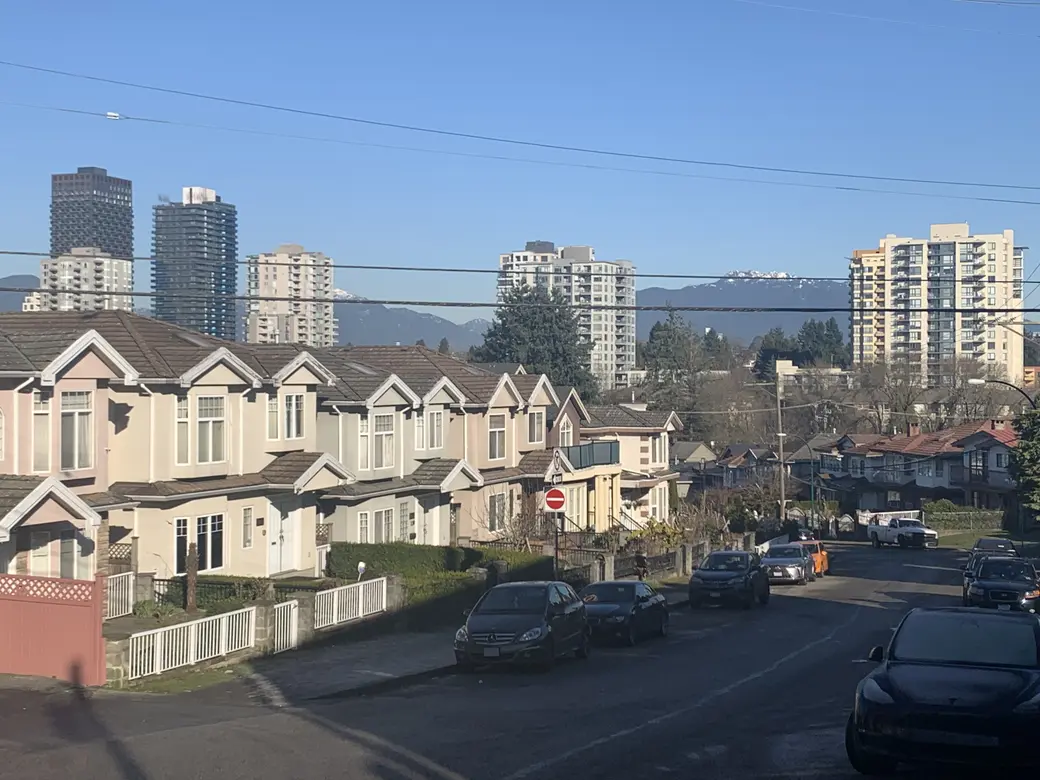
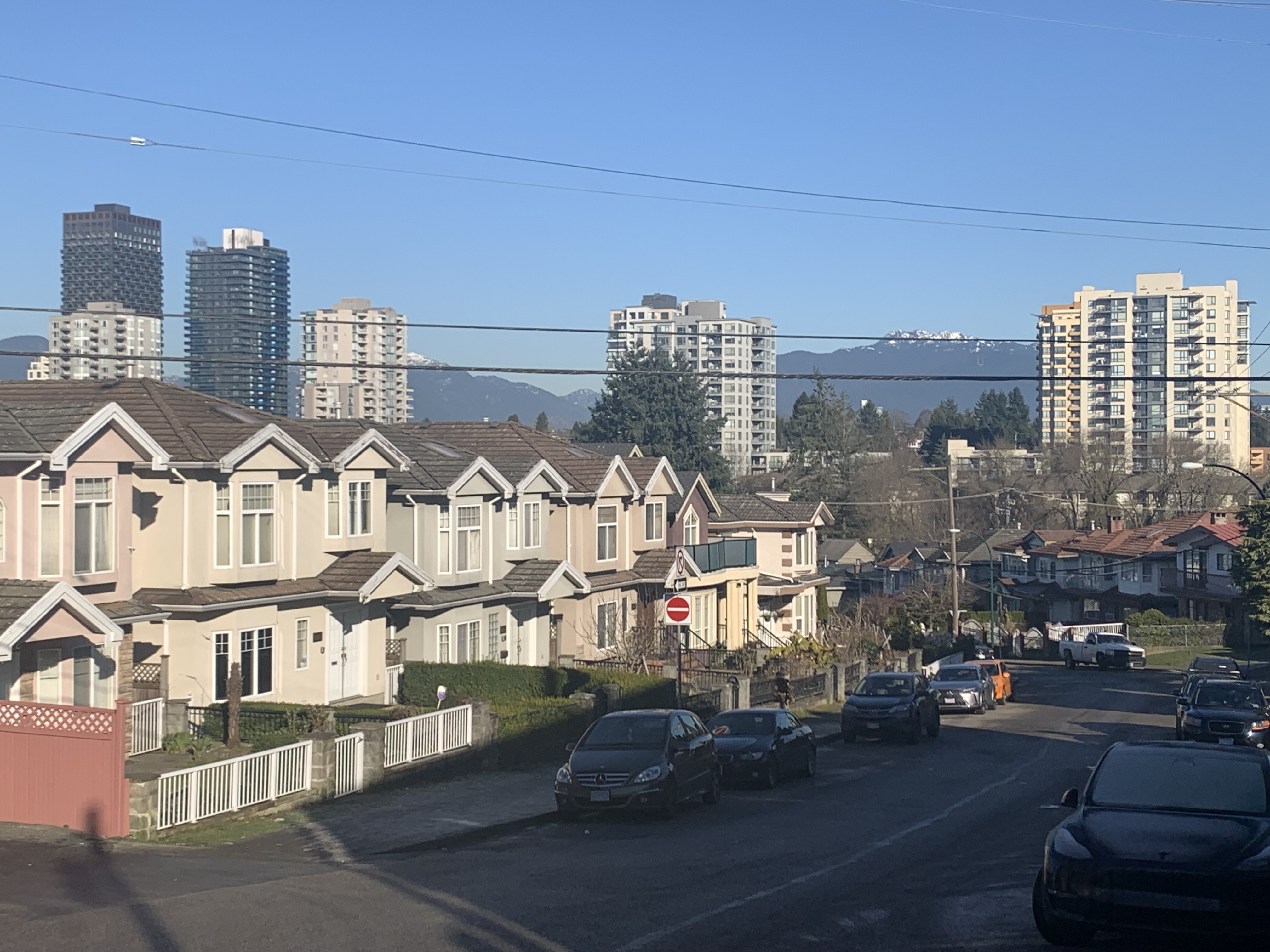
If you're a homeowner in Vancouver, or anywhere else in the country, understanding the reasoning behind these choices can help you decide which strategy might make the most sense for you.
Why Some Canadian Homeowners Are Choosing to Sell
For many households, the decision to sell comes down to financial pressure and lifestyle flexibility.
Mortgage renewals are one of the biggest factors. Homeowners who locked in low rates several years ago are now facing much higher payments when their mortgage renews.
In some cases, monthly payments have increased by hundreds—or even thousands—of dollars.
On top of that, homeowners are also dealing with:
-
Higher property taxes
-
Increased insurance costs
-
Expensive home repairs
-
General cost-of-living increases
For some families, selling the home and renting instead can actually reduce monthly expenses and stress.
Others are selling because they want flexibility—especially if they’re considering relocating, downsizing, or waiting for market conditions to change.
Why Other Homeowners Are Holding Onto Their Property
Not everyone believes selling right now is the right move.
Many homeowners are choosing to hold their property and wait for the next market cycle.
Real estate markets historically move in waves. When prices soften or activity slows, some owners prefer to simply ride it out rather than sell during uncertain conditions.
These homeowners often take a long-term view:
-
Real estate is a long-term asset
-
Market cycles eventually recover
-
Selling during uncertainty could mean leaving future gains on the table
For homeowners with stable finances, holding the property can feel like the safest option.
Why Some Are Turning Their Homes Into Rentals
Another strategy gaining popularity is converting the home into a rental property.
Instead of selling, some owners are choosing to generate income from the property. This can help offset rising mortgage payments while still keeping the asset.
Common approaches include:
-
Renting out the entire home
-
Renting a basement suite
-
Adding a secondary unit or laneway home
-
Renting individual rooms
In cities like Vancouver, where housing demand remains strong, this strategy can sometimes help homeowners keep the property long-term while covering costs.
However, becoming a landlord also comes with responsibilities such as:
-
Tenant management
-
Maintenance costs
-
Vacancy risk
-
Regulatory compliance
So while the rental strategy can work well for some, it isn’t always the right fit for everyone.
Mortgage-Free Homeowners Are in a Different Position
Homeowners who no longer have a mortgage are in a much stronger financial position.
Without a mortgage payment, their main housing costs typically include:
-
Property taxes
-
Insurance
-
Maintenance
-
Utilities
In many cases, those costs are significantly lower than renting a similar property.
As a result, mortgage-free owners often feel little pressure to sell, and many plan to keep their homes long-term.
Some are even exploring ways to add additional housing units on their property to support family members or generate rental income.
The Real Estate Strategy That Works Depends on Your Situation
The reality is that there is no one-size-fits-all decision.
The right strategy depends on several factors:
1. Mortgage Renewal Timing
If your mortgage is renewing soon at a higher rate, the numbers may change significantly.
2. Equity in the Property
Homeowners with large equity cushions have more flexibility than those with minimal equity.
3. Lifestyle Goals
Some people want stability. Others want flexibility or are planning major life changes.
4. Local Market Conditions
Real estate decisions should always consider what’s happening in your specific market.
For example, conditions in Vancouver can be very different from other parts of Canada.
The Question Every Homeowner Should Ask
Instead of asking:
“Should I sell my house?”
A better question may be:
“What role should this property play in my life over the next 10 years?”
Is it primarily:
-
A place to live?
-
A long-term investment?
-
A rental income property?
-
Or equity that could be used elsewhere?
The answer to that question often clarifies the best decision.
If You’re Considering Selling, Renting, or Holding
One of the most helpful first steps is simply understanding your options.
That usually means looking at:
-
Your home’s current market value
-
Your mortgage balance and renewal terms
-
Potential rental income
-
Local market demand
If you want a quick evaluation of what your home might be worth today—or whether renting it could make sense—you can schedule a short call here:
http://schedule.tomikonomou.com
Sometimes a 15-minute conversation can clarify decisions that feel overwhelming.
Categories
Recent Posts